Detecting liver cancer with transfer learning
Transfer-learning case study focused on model comparison, training behavior, and practical architecture trade-offs.
ResNet50ConvNeXtPyTorchMedical imagingTransfer learningModel comparisonDeep Learning
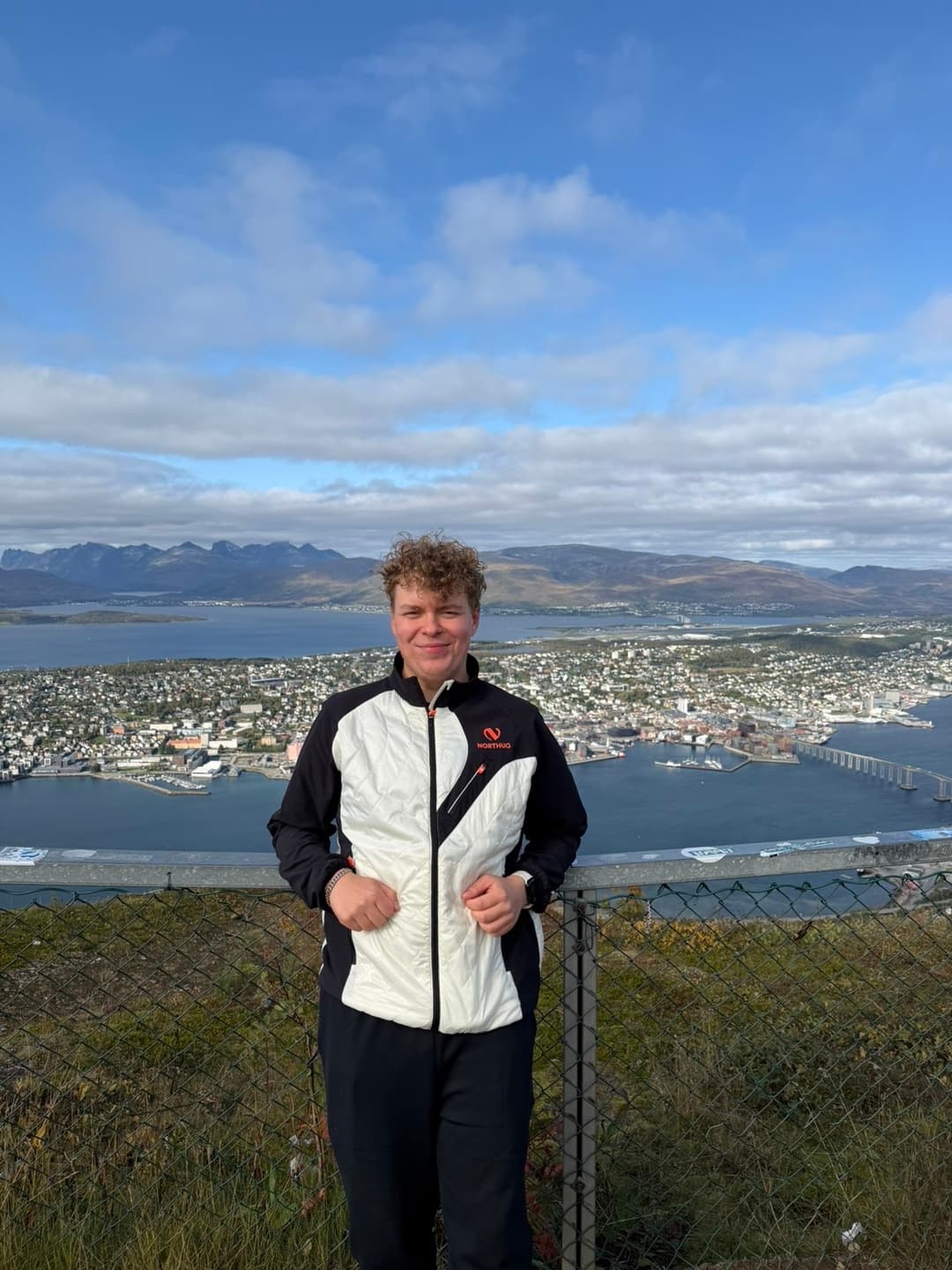
I’m Harald Zenovsky Karlsen, a 5th year master’s student in Applied Physics and Mathematics at UiT Arctic University of Norway, specializing in medical technology, scientific computing, and artificial intelligence. My work focuses on machine learning, Bayesian inference, and statistical modeling, with a particular interest in building interpretable methods for medical and health-related data. Through coursework and research projects, I’ve worked with topics such as deep learning, image analysis, spatial and Bayesian modeling, uncertainty modelling and signal processing. I’m especially interested in combining rigorous statistical thinking with practical machine learning tools to solve real-world problems. I am currently collaborating with The University Hospital of Northern Norway (UNN) on my project paper titled "Knowledge-Augmented Deep Learning Category Extraction from Norwegian Clinical Notes".
Transfer-learning case study focused on model comparison, training behavior, and practical architecture trade-offs.
A case study on fine-tuning BERT for text classification, with a focus on model performance, interpretability, and practical deployment considerations.
A case study comparing GradCAM to state-of-the-art image segmentation methods for interpretability in medical imaging, specifically for identifying ROIs in liver cancer scans.
A case study comparing INLA and Metropolis-Hastings for Bayesian inference to find mortality rate of beetles as a function of dose-level of a gas.
A Bayesian disease-mapping case study using R-INLA and the BYM2 spatial model to analyze larynx cancer mortality across 544 districts in Germany, estimate covariate effects, and compare raw versus fitted relative risks on a map.
I am currently completing a master’s degree in Applied Physics and Mathematics at UiT, specializing in medical technology and scientific computing. I am currently collaborating with The University Hospital of Northern Norway (UNN) on my project paper titled "Knowledge-Augmented Deep Learning Category Extraction from Norwegian Clinical Notes".
I’m interested in opportunities where I can apply machine learning, Bayesian modeling, and scientific computing to real-world problems, especially in medical technology, health data, or applied AI. I’m particularly motivated by roles and projects that combine technical depth with practical impact.